

Tooth enamel is the hard, protective outer layer of your teeth, and enamel erosion happens when that layer slowly wears away. It’s not something that happens overnight, which is why many people don’t notice it at first. Once enamel starts thinning, your teeth become more sensitive, more vulnerable, and harder to protect.
Enamel erosion is becoming more common today because of everyday habits we don’t think twice about. Acidic drinks, frequent snacking, energy drinks, citrus foods, and even acid reflux can slowly break down enamel over time. Add in busy lifestyles and delayed dental visits, and small problems can quietly turn into bigger ones.
The tricky part is that enamel doesn’t grow back. When erosion is ignored, teeth can become sensitive, discolored, and more likely to chip or develop cavities. What starts as mild discomfort can lead to restorative treatments that could have been avoided with early care.
The good news is that catching enamel erosion early makes a big difference. With the right guidance, small habit changes, and professional dental care, it’s possible to slow it down and protect your smile for the long term.
What Is Enamel Erosion?
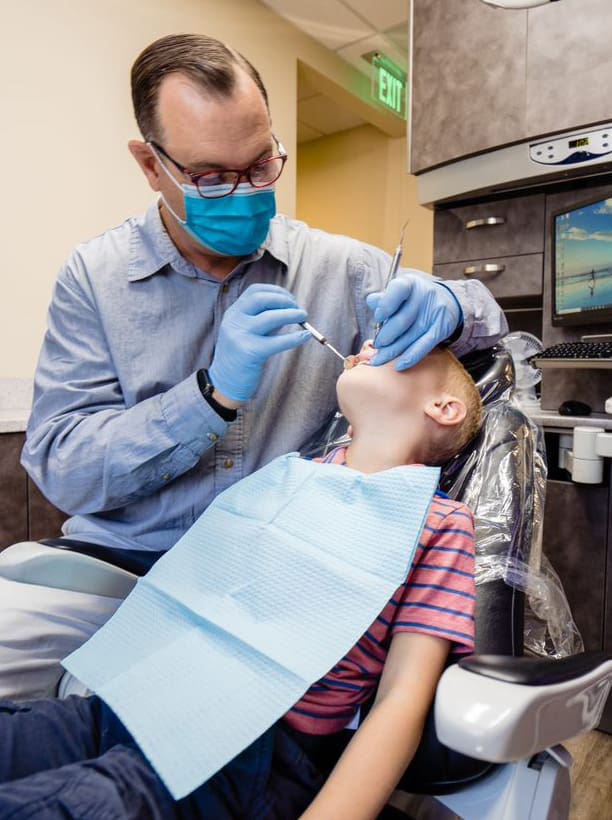
Enamel erosion is the gradual loss of tooth enamel caused by repeated exposure to acids. Enamel is the hardest substance in the human body, but it isn’t indestructible. When acids come into contact with your teeth too often, they slowly weaken and wear away this protective layer. Over time, this leaves teeth more sensitive, more vulnerable, and less protected from damage.
What Tooth Enamel Does
Tooth enamel acts like a shield for your teeth. It protects the softer inner layers from daily wear, temperature changes, and bacteria. Strong enamel helps you chew comfortably, keeps your teeth looking white, and lowers your risk of cavities and cracks. Once enamel thins, teeth lose that natural defense and become easier to damage.
How Enamel Erosion Happens
Enamel erosion happens when acids repeatedly attack the surface of your teeth. These acids don’t come only from sugary foods—they also come from everyday sources, including:
- Soda, sports drinks, and energy drinks
- Citrus fruits and acidic snacks
- Acid reflux or frequent heartburn
- Brushing too soon after eating acidic foods
Each acid exposure softens enamel slightly. When this happens again and again, enamel doesn’t have enough time to recover, and permanent erosion begins.
Enamel Erosion vs Normal Tooth Wear
Not all tooth wear is enamel erosion. Normal wear happens slowly from chewing and aging, and it usually doesn’t cause sudden sensitivity or visible damage. Enamel erosion, on the other hand, is driven by acid and tends to happen faster. It often shows up as increased sensitivity, yellowing teeth, or thinning edges. Knowing the difference matters, because erosion needs early attention to prevent long-term dental problems.
What Causes Enamel Erosion?
Enamel erosion doesn’t usually come from one big mistake. It’s the result of small, repeated exposures that slowly wear down your teeth over time. Many of the causes are part of everyday life, which is why enamel erosion often goes unnoticed until symptoms start to appear.
Acidic Foods and Drinks
One of the most common causes of enamel erosion is frequent contact with acidic foods and beverages. Acids soften enamel, making it easier for it to wear away. Common culprits include:
- Soda and energy drinks
- Citrus fruits like oranges and lemons
- Sports drinks and flavored water
Even drinks that seem “healthy” can be acidic. Sipping on them throughout the day keeps enamel under constant attack, especially when water isn’t used to rinse afterward.
Acid Reflux, GERD, and Medical Conditions
Can acid reflux cause enamel erosion? Yes. Stomach acid is extremely strong, and when it travels up into the mouth, it can damage enamel quickly. People with acid reflux or GERD often experience erosion on the inner surfaces of their teeth. Dentists are often the first to notice these patterns during routine exams, sometimes before patients realize reflux is affecting their oral health.
Lifestyle and Oral Care Habits
Some habits meant to help your teeth can actually cause harm if done incorrectly. Brushing too hard or using a hard-bristle toothbrush can wear enamel down over time. Brushing immediately after eating acidic foods can also be damaging, because softened enamel is easier to remove. Dry mouth and dehydration reduce saliva, which normally helps neutralize acids and protect enamel. Without enough saliva, teeth are far more vulnerable to erosion.
What Are the Early Signs of Enamel Erosion?
The early signs of enamel erosion can be easy to miss, especially because they often start small. Many people assume these changes are normal or temporary, but they’re usually your teeth’s way of asking for attention. Catching these signs early can help prevent long-term damage.
Tooth Sensitivity to Hot and Cold
One of the first signs people notice is tooth sensitivity. Hot coffee, cold water, or even sweet foods may suddenly cause a sharp or lingering sensation. This happens because thinning enamel exposes the softer layer underneath, making teeth more reactive to temperature changes.
Yellowing or Thinning Teeth
As enamel wears down, teeth can start to look more yellow. That’s because the inner layer of the tooth shows through when enamel becomes thinner. Some people also notice their teeth looking flatter, smaller, or less smooth than before. These changes often happen gradually, which makes them easy to overlook.
Rough or Transparent Edges
Another early sign is a change in how your teeth feel or look along the edges. Teeth may feel rough when you run your tongue over them, or the edges may start to look slightly clear or transparent. This is a strong sign that enamel is thinning and needs professional attention before more serious issues develop.
How Do I Know If My Enamel Is Eroding?
Many people wonder how to tell if enamel erosion is actually happening or if their teeth are just feeling “a little sensitive.” The truth is, enamel erosion often shows up through small, consistent changes that are easy to miss unless you know what to look for.
Symptoms You May Notice at Home
At home, enamel erosion usually makes itself known through subtle discomfort or visual changes. Common signs include:
- Sensitivity to hot, cold, or sweet foods
- Teeth looking more yellow or dull than before
- Rough spots or thinning edges you can feel with your tongue
These symptoms don’t always mean severe damage, but they are strong indicators that enamel may be wearing down.
What a Dentist Looks for During an Exam
During a dental exam, your dentist can spot enamel erosion long before it becomes painful. They look for smooth or shiny areas on the teeth, thinning enamel, and specific wear patterns that point to acid exposure. Dentists can also identify erosion linked to acid reflux, diet, or brushing habits based on where the damage appears.
Why Early Detection Matters
Catching enamel erosion early makes treatment much simpler. Early care focuses on strengthening and protecting enamel instead of repairing damage. Waiting too long can lead to cavities, cracks, and the need for more involved treatments. A routine dental visit can make the difference between prevention and permanent tooth damage.
Is Enamel Erosion Permanent?
One of the most common questions patients ask is whether enamel erosion can be reversed. The short answer is that enamel loss is permanent, but that doesn’t mean your teeth are out of options. Understanding what can and can’t be fixed helps set the right expectations and encourages early care.
Can Enamel Grow Back?
Tooth enamel does not grow back once it’s lost. Unlike other parts of the body, enamel doesn’t have living cells that can regenerate. That’s why even mild erosion should be taken seriously. The goal of dental care is to protect the enamel you still have and prevent further damage.
What Remineralization Really Means
Remineralization doesn’t rebuild lost enamel, but it does help strengthen what remains. Minerals like fluoride and calcium can harden weakened enamel and make it more resistant to future acid attacks. This process can reduce sensitivity and slow erosion, especially when started early and supported by good daily habits.
What Can and Can’t Be Reversed
Early enamel softening can often be stabilized with professional care and lifestyle changes. Sensitivity may improve, and teeth can feel stronger over time. However, once enamel is worn away or teeth become thin and damaged, that loss cannot be reversed naturally. At that point, dental treatments may be needed to protect and restore the tooth structure.
How Is Enamel Erosion Treated?
Treatment for enamel erosion depends on how early it’s caught and how much enamel has already been lost. The goal is always the same: protect your teeth, reduce sensitivity, and prevent further damage. Early treatment is usually simple, while more advanced erosion may require restorative care.
Treating Mild Enamel Erosion
When enamel erosion is caught early, treatment focuses on strengthening and protecting the remaining enamel. This often includes:
- Professional fluoride treatments to help harden enamel and reduce sensitivity
- Prescription enamel-strengthening toothpaste that delivers higher levels of protective minerals
These treatments help reinforce enamel and slow down further erosion, especially when combined with changes to daily habits.
Treating Moderate to Severe Enamel Erosion
How is enamel erosion treated when damage is more advanced? At this stage, the focus shifts to restoring and protecting the tooth structure. Common options include:
- Dental bonding to cover exposed areas and reduce sensitivity
- Crowns or veneers to protect weakened teeth and restore their shape
- Bite adjustments, when needed, to reduce excessive pressure on eroded teeth
These treatments not only protect your teeth but also improve comfort and appearance. Addressing enamel erosion sooner rather than later helps keep treatment simpler and more conservative.
What Happens If Enamel Erosion Is Left Untreated?
Enamel erosion doesn’t stop on its own. When it’s ignored, the damage slowly progresses, often without obvious warning signs at first. What starts as minor sensitivity can turn into long-term dental problems that are harder and more expensive to fix.
Increased Risk of Cavities
Enamel is your teeth’s main defense against decay. When it wears away, bacteria have an easier path to the inner layers of the tooth. This increases the risk of cavities, even for people who brush and floss regularly. Cavities can form faster and spread deeper when enamel is already weakened.
Cracks, Chips, and Tooth Fractures
Teeth with eroded enamel are more fragile. Without strong enamel to absorb daily pressure from chewing, teeth are more likely to chip, crack, or fracture. These issues often happen suddenly and can require urgent dental treatment to prevent further damage.
Chronic Sensitivity and Pain
As enamel continues to thin, sensitivity can become constant instead of occasional. Everyday activities like eating, drinking, or even breathing cold air can cause discomfort. Over time, this sensitivity can turn into ongoing pain, affecting quality of life and making dental treatment more complex than it needed to be.
Can Enamel Erosion Cause Tooth Sensitivity?
Yes, enamel erosion is one of the most common causes of tooth sensitivity. When enamel thins or wears away, it exposes the more sensitive inner layer of the tooth. This makes teeth react more strongly to temperature changes, sweet foods, and even air.
Why Exposed Dentin Hurts
Underneath enamel is dentin, a softer layer filled with tiny channels that lead directly to the nerve of the tooth. When dentin is exposed, hot, cold, or acidic foods can travel through these channels and trigger discomfort. Without enamel acting as a barrier, even mild stimuli can cause sharp or lingering pain.
When Sensitivity Becomes a Warning Sign
Occasional sensitivity can happen, but frequent or worsening sensitivity is a sign something isn’t right. If sensitivity lasts longer, affects multiple teeth, or interferes with eating and drinking, it’s time to take it seriously. Persistent sensitivity often means enamel erosion is progressing and needs professional attention before more serious damage occurs.
How Can I Stop Enamel Erosion From Getting Worse?
Stopping enamel erosion is often about small, consistent changes rather than big overhauls. Once you understand what weakens enamel, you can adjust daily habits to protect what you still have and slow down further damage.
Daily Habits That Protect Enamel
Simple habit changes can make a big difference in enamel health. These include:
- Waiting 30–60 minutes before brushing after acidic foods or drinks, so enamel has time to re-harden
- Drinking water after acidic foods to help rinse away acids and balance your mouth
- Using a soft-bristle toothbrush and gentle pressure to avoid unnecessary enamel wear
These small adjustments help reduce ongoing enamel loss without changing your routine too much.
Diet Changes That Help
What you eat and drink plays a major role in enamel erosion. Reducing how often you consume acidic foods and drinks gives enamel a chance to recover. Choosing enamel-friendly snacks, such as cheese, yogurt, nuts, or crunchy vegetables, can help neutralize acids and support saliva production. Over time, these diet choices can significantly lower the risk of further erosion and sensitivity.
What Toothpaste Is Best for Enamel Erosion?
Choosing the right toothpaste can play a big role in protecting your enamel and reducing sensitivity. Not all toothpaste is designed for weakened enamel, so knowing what to look for helps you make a smarter choice for long-term tooth health.
Fluoride vs Hydroxyapatite
Fluoride is one of the most commonly recommended ingredients for enamel protection. It helps strengthen existing enamel and makes it more resistant to acid attacks. Hydroxyapatite is a newer alternative that mimics the natural minerals found in enamel and can help fill in microscopic weak spots. Both options can be effective, and the best choice often depends on your specific needs and sensitivity level.
Ingredients to Avoid
When dealing with enamel erosion, it’s important to avoid toothpaste that can be too harsh. Steer clear of products with:
- Heavy abrasives or whitening beads
- Charcoal-based formulas
- Strong whitening agents meant for surface stains
These ingredients can wear down already-thin enamel and make sensitivity worse over time.
Dentist-Recommended Options
Dentists often recommend toothpaste labeled for enamel protection or sensitivity relief. Prescription-strength toothpaste may be suggested in more advanced cases to provide extra mineral support. A dental professional can help you choose the right option based on the severity of erosion and your daily habits.
When Should You See a Dentist for Enamel Erosion?
Knowing when to see a dentist can make a big difference in how enamel erosion is treated. Many people wait until pain becomes hard to ignore, but enamel erosion is much easier to manage when it’s caught early.
Warning Signs That Need Professional Care
If you notice ongoing changes in your teeth, it’s a good idea to schedule a dental visit. Signs that shouldn’t be ignored include:
- Frequent or worsening tooth sensitivity
- Teeth that look more yellow, thin, or shiny
- Rough or transparent edges on teeth
- Discomfort when eating or drinking
These symptoms often mean enamel erosion is progressing and needs professional attention.
Why Early Treatment Saves Money and Teeth
Early treatment focuses on prevention and protection, not repair. Strengthening enamel early can help you avoid cavities, cracks, and restorative procedures down the road. Addressing enamel erosion sooner often means simpler treatments, lower costs, and healthier teeth for the long term.
How a Dentist Can Help Protect Your Enamel Long-Term
Protecting your enamel isn’t just about fixing problems when they show up. A dentist plays a key role in helping you maintain strong, healthy teeth over time by focusing on prevention, personalization, and ongoing support.
Preventive Care Plans
Preventive care plans are designed to stop enamel erosion before it causes serious damage. Regular dental exams and cleanings allow dentists to spot early signs of erosion and address them right away. Professional fluoride treatments and sealants may also be used to strengthen enamel and reduce sensitivity, helping protect your teeth between visits.
Customized Treatment Options
Every patient’s enamel erosion is different. A dentist looks at your habits, diet, medical history, and enamel condition to create a treatment plan that fits your needs. This may include specific products, dietary recommendations, or restorative treatments if needed. Customized care ensures you’re not overtreated or undertreated.
Ongoing Monitoring and Education
Long-term enamel protection comes from consistency and awareness. Dentists monitor changes in your enamel at each visit and adjust care as needed. They also provide practical education on brushing techniques, product choices, and lifestyle habits, empowering you to protect your enamel every day.
Enamel Erosion FAQs
This section answers some of the most common questions people ask about enamel erosion. These quick, clear explanations help you understand what’s happening with your teeth and what steps to take next.
Can Enamel Be Restored Naturally?
Enamel cannot be restored naturally once it’s lost. Tooth enamel doesn’t regenerate like other tissues in the body. However, early enamel weakening can be stabilized through remineralization. This process helps strengthen existing enamel using minerals like fluoride and calcium, slowing further erosion and reducing sensitivity.
Does Enamel Erosion Lead to Cavities?
Yes, enamel erosion can increase the risk of cavities. When enamel thins, bacteria have an easier time reaching the inner layers of the tooth. This makes decay develop faster, even in people with good oral hygiene. Protecting enamel early helps lower the risk of future cavities.
Can Children Get Enamel Erosion?
Children can develop enamel erosion, especially if they consume acidic drinks, fruit juices, or have conditions like acid reflux. Baby teeth and developing enamel are more vulnerable to acid damage. Regular dental visits help catch early signs and protect children’s teeth as they grow.
Is Enamel Erosion the Same as Tooth Decay?
Enamel erosion and tooth decay are not the same, but they are related. Enamel erosion is caused by acid wearing down the tooth surface, while tooth decay is caused by bacteria producing acid that leads to cavities. Erosion weakens enamel, making decay more likely if it isn’t addressed early.
