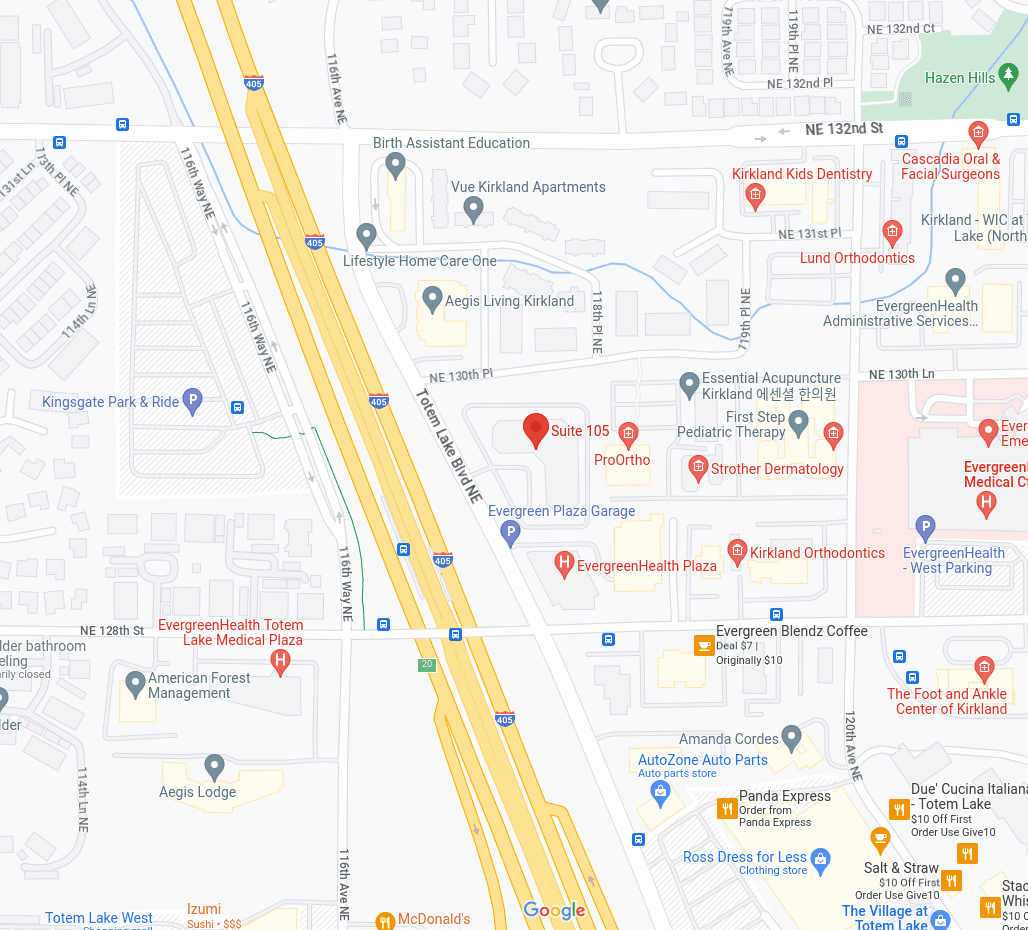

A dental emergency never happens at a convenient time. It is three in the morning, you are on vacation, or you are sitting in an important meeting when the pain hits. A cracked tooth, a sudden abscess, a filling that just fell out mid-bite. Your mind races: Is this serious? Should I go to the ER? Can my dentist see me today?
If you are searching for an emergency dentist in Seattle or emergency dental care in Kirkland, take a breath. You have come to the right place. This guide will walk you through exactly what to do for the most common dental emergencies, help you decide where to go for treatment, and explain how Thomas Dentistry gets patients out of pain fast across our three Seattle-area locations.
What Counts as a Dental Emergency?
Not every dental issue requires urgent care, but it can be hard to tell the difference when you are in pain. As a general rule, if you are experiencing any of the following, you are dealing with a true dental emergency:
- Severe, uncontrolled pain that does not respond to over-the-counter medication
- A knocked-out (avulsed) permanent tooth
- A cracked or fractured tooth, especially if you can see pink tissue or blood
- Uncontrolled bleeding from the mouth that will not stop with pressure
- Swelling in the face, jaw, or gums that is getting worse
- An abscess or infection with fever, pus, or a foul taste
- A loose or displaced tooth from trauma
- A lost filling, crown, or bridge that is causing pain or exposing sensitive tooth structure
If you are unsure whether your situation qualifies, call us. We would always rather hear from you and help you make the right decision than have you suffer in silence or delay care that could save your tooth.
What to Do for Common Dental Emergencies
The steps you take in the first few minutes after a dental emergency can make the difference between saving and losing a tooth. Here is what to do for the most common situations while you arrange to see an emergency dentist near you.
Knocked-Out Tooth
Time is critical. A knocked-out permanent tooth has the best chance of being re-implanted if you get to a dentist within 30 minutes.
- Pick up the tooth by the crown (the white part you can normally see). Never touch the root.
- Gently rinse the tooth with water if it is dirty. Do not scrub it, and do not remove any tissue fragments.
- Try to place the tooth back in the socket. Gently push it in and hold it in place by biting down on a clean cloth.
- If you cannot re-insert it, keep the tooth moist. Place it in a small container of milk, saliva, or a tooth preservation kit.
- Call us immediately and get to our office as quickly as possible.
Cracked or Fractured Tooth
- Rinse your mouth with warm water to clean the area.
- Apply a cold compress to the outside of your cheek to reduce swelling.
- Take an over-the-counter pain reliever such as ibuprofen or acetaminophen. Avoid aspirin, which can increase bleeding.
- If you can find the broken piece, save it and bring it to your appointment.
- Avoid chewing on that side until you are seen by a dentist.
Severe Toothache
- Rinse with warm salt water (half a teaspoon of salt in eight ounces of water) to reduce bacteria and ease inflammation.
- Floss gently around the affected tooth. Sometimes trapped food causes acute pain.
- Take ibuprofen to manage pain and reduce inflammation.
- Do not place aspirin directly on the gum. This actually burns the tissue.
- Call us for a same-day appointment.
Lost Filling or Crown
- If a crown comes off, try to slip it back over the tooth using a small amount of denture adhesive or toothpaste to temporarily hold it in place. Do not use super glue.
- If a filling falls out, you can place a piece of sugar-free gum or temporary dental cement into the cavity to protect it.
- Avoid chewing on that side and stay away from very hot or cold foods.
- Schedule an appointment within a day or two.
Dental Abscess
An abscess is a pocket of pus caused by a bacterial infection. It can appear as a painful, swollen bump on the gum near the affected tooth. Abscesses are serious because the infection can spread.
- Call us right away. An abscess will not heal on its own and requires professional treatment.
- Rinse with mild salt water several times a day.
- Do not try to pop or drain the abscess yourself.
- If you develop a fever, difficulty breathing, or difficulty swallowing, go to the nearest emergency room immediately.
Emergency Room vs. Emergency Dentist: Where Should You Go?
| Go to the ER If… | Go to Your Emergency Dentist If… |
|---|---|
| You have uncontrolled bleeding that will not stop | You have a knocked-out or cracked tooth |
| You have a broken jaw or facial fracture | You have a severe toothache or swelling |
| You have fever with difficulty breathing or swallowing | You have a lost filling, crown, or bridge |
| You suffered head trauma along with the dental injury | You have an abscess without systemic symptoms |
The bottom line: If you can breathe, swallow, and the bleeding is manageable, call your emergency dentist first. You will get the definitive treatment you need, usually faster and at a fraction of the cost of an ER visit.
How Thomas Dentistry Handles Dental Emergencies
At Thomas Dentistry, we prioritize same-day emergency appointments across all three of our locations. When you call with an emergency, here is what you can expect:
- Immediate phone triage. Our team will assess your situation over the phone and give you clear instructions.
- Same-day scheduling. We work to get you into the chair as quickly as possible, often within hours.
- Pain management first. Our first priority is getting you comfortable.
- Transparent communication. Before we begin any treatment, we explain what we have found, your options, and the costs.
Call the location nearest you:
- Kirkland / Totem Lake: 425-821-2526
- Mercer Island: 206-230-6632
- University District Seattle: 206-523-8094
How Much Does Emergency Dental Care Cost?
| Treatment | Typical Cost Range |
|---|---|
| Emergency exam and X-ray | $100 – $300 |
| Dental filling | $150 – $400 |
| Dental crown | $800 – $1,500 |
| Root canal (anterior tooth) | $700 – $1,100 |
| Root canal (molar) | $1,000 – $1,500 |
| Tooth extraction (simple) | $150 – $400 |
| Abscess drainage and antibiotics | $200 – $600 |
If you do not have insurance, Thomas Dentistry offers a Dental Membership Plan that provides discounts on treatments and includes preventive care to help reduce the likelihood of emergencies in the first place.
Tips for Preventing Dental Emergencies
- Keep up with regular checkups and cleanings. Most emergencies start as small problems that could have been caught early.
- Wear a mouthguard during sports. Custom-fitted mouthguards offer far better protection than boil-and-bite versions.
- Do not chew ice, popcorn kernels, or hard candy. These are among the most common causes of cracked teeth.
- Do not use your teeth as tools. Opening packages or tearing tape puts enormous stress on teeth.
- Address grinding and clenching. Ask us about a night guard if you wake up with jaw pain or headaches.
- Replace old fillings and crowns proactively. Schedule replacements before they fail unexpectedly.
Frequently Asked Questions About Emergency Dental Care
What should I do if I have a dental emergency after hours?
Call your nearest Thomas Dentistry location and follow the after-hours instructions on our voicemail. For life-threatening emergencies involving difficulty breathing, uncontrolled bleeding, or head trauma, call 911 or go to the nearest emergency room.
Can I go to the emergency room for a toothache?
You can, but it is rarely the best option. Emergency rooms can prescribe pain medication and antibiotics, but they typically cannot perform dental procedures like fillings, root canals, or extractions. Calling an emergency dentist directly gets you definitive treatment faster and usually costs significantly less.
How quickly can Thomas Dentistry see me for an emergency?
We prioritize emergency patients and strive to offer same-day appointments. In most cases, we can see you within a few hours of your call.
Does dental insurance cover emergency visits?
Most dental insurance plans cover emergency exams and basic emergency procedures, though coverage amounts vary by plan. If you do not have insurance, ask about our Dental Membership Plan for discounted rates on treatment.
Is a chipped tooth a dental emergency?
It depends on the severity. A small chip with no pain is not an emergency, but you should schedule an appointment within a few days. If the chip is large, exposes the inner layers of the tooth, or causes significant pain, call us for a same-day appointment.